


Small pelvic varicose veins are a common condition today, affecting many women between the ages of 25 and 40.Otherwise, the disease is called chronic pelvic pain syndrome or pelvic venous congestion syndrome.The cause of this problem is the backflow of blood through the ovarian veins due to pressure on the blood vessels.That is, pelvic venous dilatation is a disease directly related to the decrease in elasticity of the vein wall.
Many doctors consider this pathology strange and rarely make such a diagnosis.This is because the pathology can present with various symptoms, and severe pain syndromes are always predominant.Therefore, most experts mistake pelvic organ varicose veins for various hormonal or inflammatory gynecological diseases.But it is the prompt diagnosis of small pelvic varicose veins that determines a woman's quality of life and future chances of having children.Why does this disease occur, what are its symptoms and how to treat pelvic varicose veins?We will discuss all of them in this article.
Development characteristics of pelvic varicose veins
Phenomenons such as ovarian and uterine varices have long been known in medicine.The disease was first discovered in the 1980s and remains understudied.Every year, cases of this condition become more common because the lifestyle of most people has changed during this time.Today, most people work sedentary jobs and lead unhealthy lifestyles.The mechanism by which small pelvic varicose veins develop is triggered by various hormonal changes and increased pressure from the uterus on the small pelvic blood vessels, which is often observed during pregnancy.
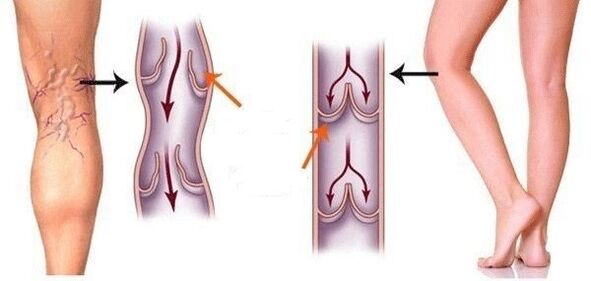
Pelvic blood vessels begin to become congested with blood, triggering the progression of the disease.
The algorithm for pathological development is as follows:
- The vasculature of the minor pelvis is quite complex, consisting of large blood vessels that are divided into smaller veins.Also, the pelvic structure of women and men is somewhat different, which explains why this disease occurs primarily in women;
- Pressure on blood vessels and venous obstruction lead to changes in the tone of the vessel walls and disruption of the blood flow process in the deep pelvic veins;
- Due to the malfunction, the pelvic veins are unable to perform their functions properly.This can lead to the progression of venous valve insufficiency;
- Pelvic blood vessels begin to congest, causing small pelvic varicose veins.
Unlike leg varicose veins, which are associated with bulging veins in the lower limbs, pelvic varicose veins in women are less likely to be noticed because the veins located deep in the pelvis are affected.Therefore, many women may not even suspect that they have this condition.But in almost all cases, there is still one main symptom that indicates a problem.And that symptom is pain, which is characterized by intensity and duration, usually before critical days or after intense physical exertion.
Causes of pelvic venous congestion syndrome
As mentioned earlier, this disease occurs primarily due to changes in hormonal levels.Women of childbearing age are most susceptible to this pathological process.Pregnant girls and women who work under difficult physical conditions are particularly susceptible to pelvic varicose veins.In some cases, this type of varicose veins may develop during puberty, which is also accompanied by changes in hormonal levels.

The most common cause of the disease is pregnancy.
But unlike the course of the disease in adulthood, in this case the pathology is asymptomatic.The only thing that makes you suspect there is a problem is an increase in vaginal discharge.That is, we can say that the main causes of varicose veins in the small pelvis are hormonal changes in the body and pregnancy.But there are other reasons why the disease occurs:
- Congenital connective tissue dysplasia.This phenomenon occurs in 30 percent of people and is characterized by thinning, tortuous veins, and weak vein valves;
- Difficult labor or multiple births.Various complications during childbirth or the birth of a large fetus can cause an interruption in the outflow of blood from the small pelvic veins;
- Pregnancy of multiple fetuses at the same time.This results in an increased load on the body, especially on the pelvic vessels;
- Some gynecological diseases;
- long-term use of hormonal contraceptives;
- Treat with hormonal drugs;
- Retroflexion of the uterus.
There are also the following factors that can cause pelvic varicose veins:
- severe physical stress, such as frequent heavy lifting;
- Work while standing or sitting;
- sedentary lifestyle;
- Increased estrogen levels;
- Sexual dysfunction, such as lack of orgasm;
- Frequent use interrupts sexual intercourse.
But the most common cause of pathological development remains pregnancy.During this period, nearly 30% of women suffered from chronic pelvic pain syndrome.Basically, symptoms of the disease start to appear after 8 weeks of pregnancy.
Disease classification
Depending on the nature of the course of the disease, small pelvic varicose veins can take two forms:
- Perineal and external genital varicose veins.If the condition progresses, varicose veins can spread to the inner surface of the thigh;
- Pelvic venous congestion syndrome.
This classification is not common in medicine, as both forms occur simultaneously and are the result of each other.Dilatation of vulvar veins is often observed in pregnant women, and in most cases this pathology disappears spontaneously after delivery, but not always.According to the size and pathological location of the damaged vein, it is divided into 3 degrees:
- First degree.The diameter of the damaged vein does not exceed 5 mm, it is located in any venous plexus of the small pelvis, and is characterized by a spiral course of the blood vessels;
- Second degree.The veins can range from 6 to 10 mm in diameter and are commonly observed in general varices located in the ovaries or uterus;
- Third degree.The diameter of the damaged vein exceeds 10 mm, and the varicose veins are common or mainly located.
Depending on the extent of the disease, choose the appropriate treatment method.For first- and second-degree varicose veins in the small pelvis, doctors usually treat them conservatively, including lifestyle changes, special exercises, and medications.But stage III pathology can only be cured through surgery.
Symptoms of pelvic varicose veins
Symptoms of conditions such as pelvic varicose veins are varied and often disguised as other conditions of the reproductive system.The main pathological symptom is severe pain in the lower abdomen without obvious cause, which can radiate to the waist or perineum.In addition, the pain is often accompanied by unprovoked vaginal discharge of mucus, which increases during the second phase of the menstrual cycle.
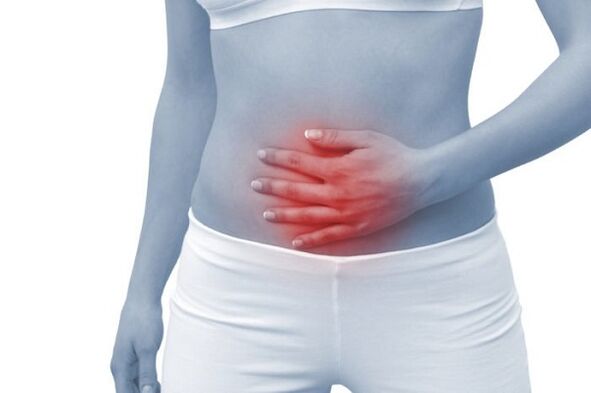
Symptoms: Severe, severe pain in the lower abdomen before and during menstruation.
Additionally, if you have pelvic varicose veins, symptoms may be as follows:
- Severe, severe pain in the lower abdomen before and during menstruation;
- increased sensitivity of the perineum and vagina;
- Irregular menstruation;
- A feeling of heaviness in the pelvis when standing for a long time;
- Itching and discomfort in the vulvar area;
- Bulging veins and spider veins in the perineum, which are characteristic of varicose veins;
- Unpleasant feelings, discomfort during intimacy.
Fertility problems and disturbances in the urinary process, such as increased frequency, may also be present.In the case of diseases such as genital varicose veins, perineal venous bleeding and acute thrombophlebitis may occur.Symptoms can be mild or pronounced, and one symptom or an entire symptom complex can be observed.This is why varicose veins in the female pelvic organs are difficult to diagnose.
Consequences of pelvic varicose veins
This type of varicose veins is not an extremely dangerous condition.Timely pathological diagnosis will allow you to quickly get rid of unpleasant phenomena with the help of the correct choice of treatment courses.But identifying the disease in time is often difficult, and many women don't even know they have it.As the disease progresses, the following serious complications begin to appear in the body:
- Reproductive system dysfunction, leading to infertility;
- neurasthenia due to pain syndromes;
- Fear of intimacy due to persistent pain during intercourse;
- Inflammation of the uterus and adnexa;
- Bladder disease;
- uterine bleeding.
Without proper treatment, pelvic varicose veins in women can continue to develop and spread to adjacent organs and body parts.Venous thrombosis and pulmonary embolism, which are fatal conditions, may occur in 5% of cases.
Diagnosis and treatment of pelvic varicose veins
Diagnosis of small pelvic varicose veins is quite difficult due to the commonness of the symptoms and the location of the disease symptoms.Just 20 years ago, only 2% of cases were correctly diagnosed.An incorrect diagnosis of the problem sometimes even leads to hysterectomy, which can be avoided with modern diagnostic equipment.Today, in order to make a correct diagnosis, a comprehensive examination with the participation of a gynecologist and a phlebologist is required.
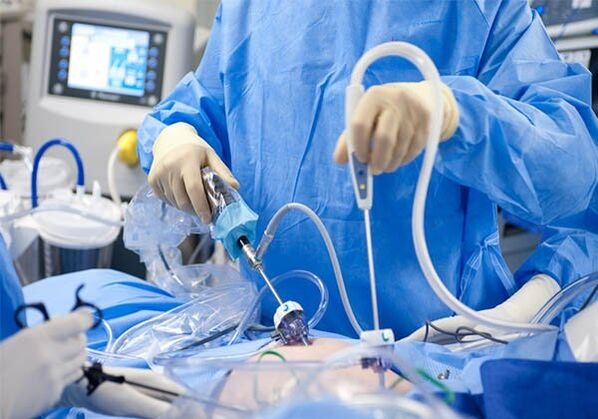
A popular treatment for this disease is laparoscopy.
After a thorough interview and examination of the patient, doctors present the most accurate method for diagnosing pelvic varicose veins today:
- Laparoscopy;
- venography;
- Vascular Doppler;
- Ultrasound examination of the venous system;
- Selective ovarian imaging;
- computed tomography and magnetic resonance imaging;
- Mutations.
The doctor may also order additional tests, such as blood tests and X-rays, which can help more accurately assess the patient's condition.After making an accurate diagnosis, the doctor chooses the most appropriate treatment, which aims to:
- normalization of vascular tone;
- Improve blood supply to tissues;
- Eliminate symptoms;
- Prevent congestion and various complications.
Treatment of pelvic varicose veins should be comprehensive and may include medications and basic treatments, surgery, and folk remedies.Basic treatment for this disease includes:
- regular therapeutic exercises;
- special diet;
- Contrast Shower;
- Wear special underwear.
Additionally, you should review your daily routine if necessary.If the cause of varicose veins is physical stress due to the special nature of your job, then you need to move to a more relaxed job.Medical treatment of pelvic varicose veins includes the following medications:
- Venoconstriction;
- Intestinal adsorbents;
- Antioxidants;
- vein protectants;
- Hormone drugs.
Surgical intervention is performed only when varicose veins are advanced, conservative treatment fails, or the pain syndrome cannot be eliminated.In addition to this, your doctor may recommend herbs containing dandelion, horse chestnut, or chaga.